

Peptides vs SARMs Difference: Which Is Better for Research in 2026?
The debate around the peptides vs SARMs difference continues to dominate research chemical discussions in 2026, especially among laboratories and independent researchers seeking targeted outcomes. With compounds like MK-677 blurring the lines between categories, choosing between peptides and SARMs is no longer straightforward.
Researchers often face key challenges: Which option delivers more consistent data? Are SARMs vs. peptide results comparable across different study models? And is MK-677 a peptide or SARM in practical research classification?
This guide breaks down the scientific distinctions, functional applications, and expected outcomes of both compound classes. Whether you’re sourcing for controlled studies in the UK, Europe, Australia, Canada, Asia, or the USA, understanding these differences is critical for selecting the right compound for your research objectives.
Understanding the Peptides vs SARMs Difference
Peptides: Precision Through Biological Signaling
Peptides are short chains of amino acids that act as signaling molecules within biological systems. They are often used in research to:
- Stimulate specific hormone pathways
- Support cellular communication studies
- Investigate regenerative and metabolic processes
Popular compounds like MK-677 (often debated as an MK-677 peptide or SARM) function as growth hormone secretagogues, making them peptide-like in action despite not being a traditional peptide structurally.
SARMs: Targeted Androgen Receptor Modulation
SARMs are synthetic compounds designed to selectively bind to androgen receptors in muscle and bone tissue. Their research applications typically focus on:
- Muscle tissue development pathways
- Bone density studies
- Hormonal receptor selectivity
Unlike peptides, SARMs do not rely on natural signaling cascades but instead directly influence receptor activity.
Key Differences at a Glance
- Mechanism: Peptides signal; SARMs bind
- Selectivity: SARMs are tissue-selective; peptides are pathway-specific
- Research Focus: Peptides for biological processes, SARMs for receptor-driven outcomes
SARMs vs Peptides Results: What Researchers Observe
When comparing SARMs vs peptides results, outcomes vary depending on the research model and study goals.
Peptides – Gradual, Systemic Effects
- Slower onset in observable data
- Broader systemic influence
- Ideal for long-term biological studies
SARMs – Rapid, Targeted Outcomes
- Faster measurable changes in tissue response
- Highly targeted action
- Suitable for short-term receptor-specific research
In many comparative studies, SARMs produce quicker measurable effects, while peptides offer more sustainable and system-wide data insights.
Why Buy Peptides vs SARMs Research Compounds From SARM Store UK?
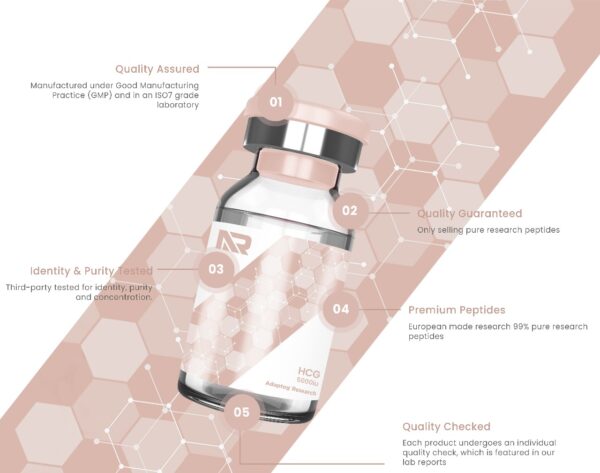
Choosing a reliable supplier is as important as selecting the right compound. SARM Store UK stands out as a trusted source for high-quality research chemicals across global markets.
Quality Assurance & Lab Standards
- Third-party tested compounds for purity and consistency
- Strict sourcing protocols aligned with research-grade standards
- Batch traceability for transparency
Global Reach & Discreet Delivery
- Fast shipping to the UK, Europe, USA, Canada, Australia, and Asia
- Secure, discreet packaging for professional environments
- Reliable logistics partners ensuring timely delivery
Research-Focused Support
- Knowledgeable customer support team
- Detailed product specifications and documentation
- Commitment to compliance and responsible distribution
Reputation & Trust Signals
- Positive customer feedback within the research community
- Consistent product quality across batches
- Established presence in the research chemicals industry
Common Use Cases & Buyer Scenarios
Researchers exploring the peptide vs. SARM difference often fall into these categories:
- Comparing MK-677 peptide or SARM classification in hormonal studies
- Investigating SARMs vs. peptide results for muscle tissue modeling
- Conducting long-term metabolic or regenerative pathway research
- Evaluating receptor selectivity in controlled lab environments
- Sourcing high-purity compounds for academic or private research
Final Thoughts
Understanding the peptide vs. SARM difference is essential for achieving accurate and reliable research outcomes. While SARMs offer precision and rapid data points, peptides provide broader biological insights and long-term research value.
For researchers seeking consistent quality, verified purity, and dependable delivery, SARM Store UK remains a trusted partner in the global research chemical space. Explore the full catalog today to find compounds tailored to your specific research needs.